

We provide specialized winterization services to safeguard your pool during the off-season, and when spring arrives, we handle the thorough opening process.
Recent Posts


Sign Up to get updates & news about us . Get Latest Deals from Walker's Inbox to our mail address.
Sign Up to get updates & news about us . Get Latest Deals from Walker's Inbox to our mail address.
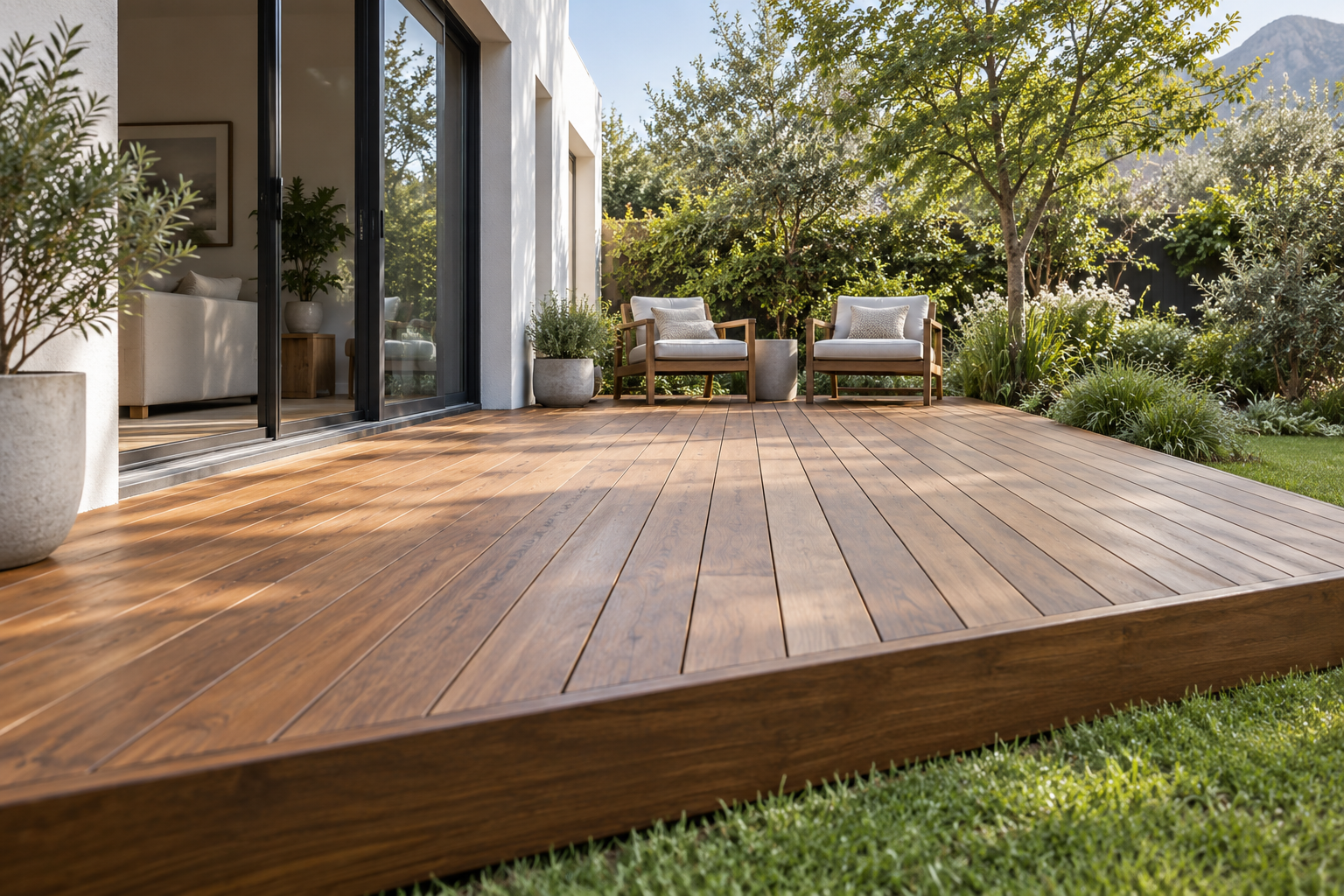
The spot where you go out to look at the sea can feel very different when you’re setting a table in the wind. Premium Decking installs, extends and replaces wooden and composite decks in Yzerfontein. We fit the deck to the seats, doors and sheltered space you have.
Start with the place you want to sit and what you’ll do there. Walk out through the doors you normally use and spend a few minutes on each side of the house. Try it around the time you’d serve lunch or sit outside after work. The wind at the corner of a house can feel quite different from the wind a few steps back beside the wall. Those few steps can change where you want to put the table.
Picture a Pearl Bay home with a lounge opening towards the sea and a courtyard off the dining room. The seaward deck could give you space for two chairs and a clear area at the doors. A wider deck in the courtyard could take the dining table, with room to pull out chairs and carry food from the kitchen. That layout gives both sides a use and saves the larger platform for the part of the garden where you can eat comfortably on a windy day.
If the main doors open onto a spot that already has shelter when you spend time outside, a larger deck there may suit you. Put the table and chairs roughly where you want them, or mark their outlines on the ground. Open the doors and walk around the chairs as if people were seated. Look for the narrowest point between an open door and the closest chair.
If you’re extending a deck you already use, set out your furniture before marking where the new boards will go. You may find you need more width near the house for seating and a smaller extension along the exposed end. Mark both areas before asking for a price so the extra decking goes where it improves the way you use the space.
Fill the form below and our team will be in touch with you shortly.
After a windy day, look for where sand already collects. It can build up against a low step, a garden wall or the lowest edge of a deck. If the area already needs sweeping, mark the spots you regularly clear and check how you’ll reach them with the deck in place. A corner that’s open now can become awkward to reach once a step or a finishing board goes in.
Where the deck meets a sandy patch, decide which way you’ll sweep the grit. A deck edge close to a wall can leave a gap that collects sand and is hard to reach. If sand already settles there, stopping the deck short of the wall can give you a clear strip to sweep. Check whether you’ll also be able to see the ends of the supports from that side.
An existing paved path can give you a firm place to step onto the deck and a space to sweep before sand gets tracked across the boards. Check whether the path already carries water away from the house or towards a drain. We can look at how the new edge, step and supports will sit alongside that route so the outlet stays reachable when it needs clearing.
A deck over a low or sheltered corner still needs a way for water to drain and air to move beneath the boards. The available space and the selected board system help determine the height and edge detail. Where the deck will cover a spot you need to reach for cleaning or inspection, agree on the access before the layout is final. You can then see where the finished edge will sit and what will be reachable once the boards are down.
Take board samples to the place you’ll use them. Look at them near the house and out on the exposed side. Feel the texture of a dry and damp sample, especially if you’ll cross the deck with sandy shoes or bare feet. Ask how the surface should be cleaned and look at the edges and corners where grit is likely to collect.
For wooden decking, compare the grain and colour of Balau, Garapa and Massaranduba. Ask what care the timber and finish need in the part of the garden you’ve chosen. A board out by the sea-facing doors can weather at a different rate from the same board in a sheltered courtyard. If you’re extending an existing timber deck, compare the new sample beside the weathered boards and decide how you want the join to look.
For composite decking, look at the board and matching edge pieces together. Ask how the board ends will be finished where you step off onto a path and what the manufacturer specifies for cleaning, support and gaps. The selected board system determines how its fasteners, trim and supporting frame fit together. Check that you can access the parts of the edge where sand is likely to settle.
Ask which screws or clips will be used and whether they suit the selected system and the exposure at your property. At an open seaward edge, salt and moisture can also reach fixings and other metal parts below the surface. Ask what will be visible, what will be covered and where the edge can be reached later for inspection. That matters when you’re comparing finishes as well as when you’re choosing the boards.
You can use the same board colour on both sides and check the fixing and edge details separately. A courtyard step and an exposed edge may need different details to stay accessible for cleaning.
Give each contractor the same outline and show which side of the house will take the table. If you’re pricing a smaller platform by the seaward doors and a wider courtyard deck, ask for each area to be shown separately. Check what each price includes for the frame, steps and visible edge. When comparing a timber and a composite quote, use the same footprint and finished edge so you can see what each material changes.
If you’re replacing an existing deck, have the visible boards, supports and fixings checked before deciding what to keep. If the layout still works and the worn section is limited, deck repairs and maintenance may be enough. Ask which parts can be assessed before work starts and what needs to be lifted to inspect the frame. If the full condition only becomes clear once the old boards are up, agree how any extra work will be priced before it goes ahead.
Show where materials and old boards can be carried through the property. Ask who will lift and remove old decking, clear sand or other debris from the work area and make good any paving that has to come up. If you want to keep an edge or drain accessible, ask for that detail to be included so it can be priced with the rest of the deck.
For a Yzerfontein quote, have a photo looking out through each set of doors and one looking back towards the house. Include a view of any existing step, deck edge or drain. For a property in Mile 16 Beach Estate or another development, have the current requirements for changes to outdoor areas handy when we discuss the layout.
Premium Decking installs wooden and composite decking in Yzerfontein and surrounding areas, including Yzerfontein Central, Pearl Bay, Fisherman’s Haven, Weskus Villas, Eden Villas, Strandveld Villas, Yzerfontein Heights, Mile 16 Beach Estate, Ocean Villas and Pearl Point.
Fill the form below and our team will be in touch with you shortly.